Getting your damage deposit back in BC has less to do with how hard you scrub and more to do with two things: cleaning the specific items the province says are your responsibility, and being able to prove you did. Both are spelled out in writing. Most tenants just never read them.

Here’s what the rules actually require, what tends to get missed, and how to make sure the money comes back to you.
The Standard Is Reasonable, Not Showroom
BC’s Residential Tenancy Branch (RTB) sets out cleaning responsibilities in Policy Guideline 1. Tenants must keep the unit to reasonable health, cleanliness and sanitary standards, and if you leave it below that bar, you can be charged for the cleaning.
The guideline is just as clear about the limits:
- You are not responsible for cleaning the unit to a higher standard than the law sets.
- You are not responsible for reasonable wear and tear: the natural aging of a home that’s been used normally.
- If there’s a dispute, an RTB arbitrator decides what counts as clean. The test is an objective one, not your landlord’s personal preference.
A tenancy agreement also can’t require you to repaint as a condition of renting. You only pay for painting or repairs when they’re needed because of damage you caused.
What BC Expects You to Clean
These are the items the guideline names specifically. Treat it as your checklist.
Kitchen and Appliances
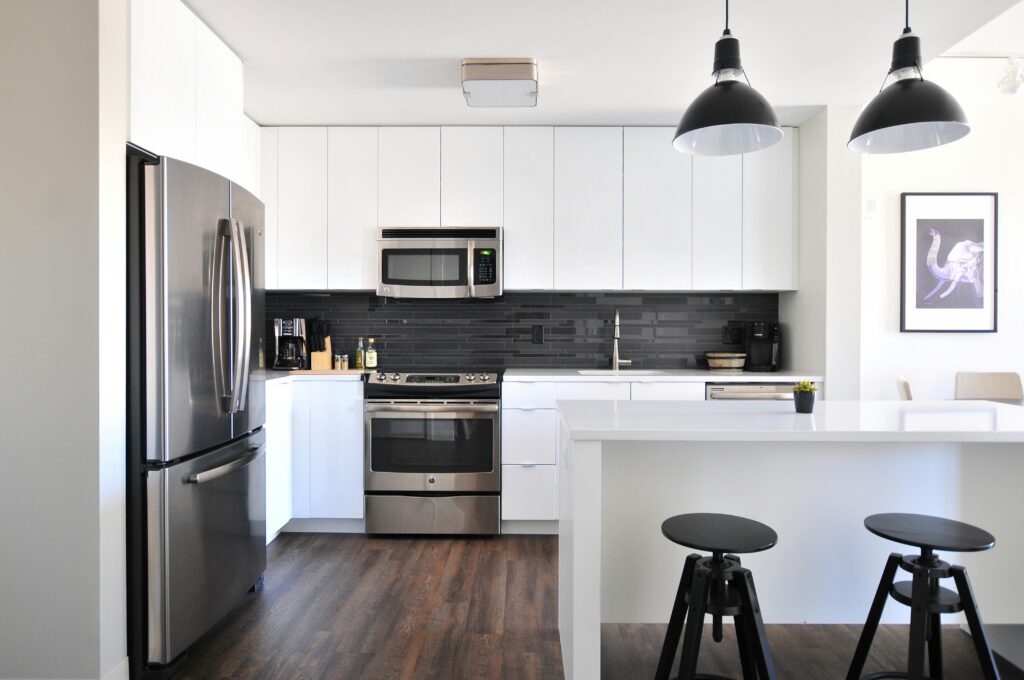
- Stove top, elements and oven. The oven is usually the longest job, so start it early.
- Fridge. Defrost it and clean it inside and out. Defrosting takes hours, so unplug it the day before.
- Dishwasher. Wipe out the inside, including the door seal and the filter area.
- Behind and under the fridge and stove, if they’re on rollers. If they aren’t, you only have to move them if your landlord shows you how to do it safely without damaging the floor. Otherwise, that job is the landlord’s.
- Range hood. Clean the fan screen. Grease builds up there quietly for the entire tenancy.
- Cabinets and drawers. Empty, crumb-free and wiped, inside and out.
Windows, Blinds and Doors
You’re responsible for the inside of every window and its tracks, plus both sides of balcony and sliding doors and their tracks. The outside of regular windows is the landlord’s job.
The guideline also calls out mould removal on windows, and in Greater Victoria that matters. Damp winters mean condensation on older single-pane and aluminum frames, and black mould in the tracks is easy to overlook and hard for an inspector to miss. Our guide to getting rid of mould naturally covers how to treat it without harsh chemicals.
Blinds and window coverings need to be left clean. Check with your landlord before you start in case they have specific cleaning instructions, especially for fabric or wood blinds. For the glass itself, our guide to cleaning mirrors and windows walks through a streak-free method.
Walls, Baseboards and Vents
- Walls. Wash off scuffs and fingerprints, unless the wall texture makes wiping impractical.
- Baseboards and baseboard heaters. Wipe or vacuum them to remove dust and grime.
- Floor and wall vents. Vacuum the grilles and wipe them down.
- Vent and fan screens. Clean every one, including the bathroom exhaust fan cover.
On nail holes: if you hung pictures the way your landlord allowed, the holes aren’t damage and you don’t have to fill them. Excessive holes, large screws, or tape that pulled off paint are a different story.
Bathrooms
Bathrooms fall under the general sanitary standard rather than a line-by-line list, but they’re where a landlord’s eye goes first. Cover the toilet including the base and behind it, the tub or shower and its grout, the sink and taps, the mirror, the inside of the vanity, and the exhaust fan cover.
Carpets
This is the rule that catches people off guard. Under the guideline:
- After a tenancy of one year or more, you’re generally expected to steam clean or shampoo the carpets.
- If you had pets that weren’t caged, or anyone smoked in the unit, the same applies no matter how long you lived there.
- If you stained a carpet deliberately or carelessly, cleaning it is on you regardless of tenancy length.
Keep the receipt or rental record for whatever carpet cleaning you do. It’s evidence.
The Last Details
- Fireplace, if you used it, including the screen.
- Garbage and pet waste, all of it, inside and out.
- Light bulbs. Replacing burnt-out bulbs is a tenant responsibility, so leave every fixture working.
- Keys. Return every key and fob, including any copies you had cut yourself.
- Yard, if you rented a house and routine yard care was yours during the tenancy.
What Gets Missed Most Often
When clients review our move-out cleans, three things come up again and again: the baseboards, the bathroom exhaust vent, and the inside of every cabinet and drawer. None of them are difficult. They’re just easy to walk past when you’re surrounded by boxes and running out of time.
Add the oven, the window tracks, and the floor behind the fridge, and you have the short list worth a second look before you hand back the keys.
Work Top to Bottom, Empty to Finished
Order matters more than effort. Dust and debris fall, so a floor mopped before the shelves are wiped is a floor you’ll mop twice.
- Clean after the furniture is out. You can’t do baseboards or vents properly around a couch.
- Start the slow jobs first. Unplug the fridge to defrost and get oven cleaner working before anything else.
- Go high to low in every room. Ceiling corners and light fixtures, then upper cabinets, walls, windows and sills, then baseboards, then floors last.
- Finish room by room, closing each door behind you so you’re not walking dust back in.
Protect the Deposit, Not Just the Clean
A spotless unit with no paperwork is still a weak position. These steps are what actually secure your money.
Do the Move-Out Inspection
Your landlord must offer you at least two opportunities to inspect the unit together and complete a Condition Inspection Report. Go to it. Under BC’s deposit rules, a tenant who doesn’t take part may lose the right to the deposit, and a landlord who skips the inspection may lose the right to claim against it.
Walk through with your copy of the move-in report so you can point to anything that was already there when you arrived. Sign the move-out report only if it’s accurate, and get a copy.
Take Dated Photos
Once the cleaning is done, photograph every room, the inside of each appliance, the window tracks, and the carpets. Video works well too. Make sure the files are date-stamped.
Give Your Forwarding Address in Writing
The deposit clock doesn’t start until your landlord has your forwarding address in writing, served in a way the law accepts. Do it on or before move-out day. A text message in passing isn’t enough.
Know the 15-Day Rule
Your landlord has 15 days from the later of the tenancy ending or receiving your forwarding address to either return the deposit, with any interest owed, or apply to the RTB to keep some of it. They can only hold back money with your written consent or an RTB order. Deciding on their own isn’t an option.
If the landlord does nothing within that window, you can file a direct request with the RTB, and the landlord may be ordered to pay double the deposit.
One more thing for shared rentals: if you’re one of several roommates on the agreement, the deposit generally isn’t returned until everyone has moved out and the inspection is complete.
Don’t Sign Away Deductions You Dispute
If your landlord asks you to agree in writing to a deduction you think is unfair, you don’t have to. Declining sends the question to the RTB, where the inspection report and your photos do the talking.
Where to Get Help
For the full rules, the province’s moving-out page is the official source. For free, tenant-focused advice, the Tenant Resource and Advisory Centre runs a Tenant Infoline and publishes its own move-out guidance.
Starting Fresh in Your Next Greater Victoria Home
The details that decide a deposit are the same ones that make a home feel properly clean: baseboards, walls, vents, the corners nobody looks at until it matters. They’re exactly what our first visit in a new home is built around. We call it the Premium Home Reset, and after that, a regular schedule keeps your place at that standard so you never face a marathon clean again.
One flat fee based on your home’s square footage, scent-free Canadian-made EcoMax products, the same team every visit, and a 24-hour re-clean guarantee if anything isn’t right.
Moving into a new place in Greater Victoria? Get a free estimate for recurring house cleaning and start your next home the way you’ll want to keep it.